
Divya Kshetra · Puri · Odisha
Puri Jagannath Temple
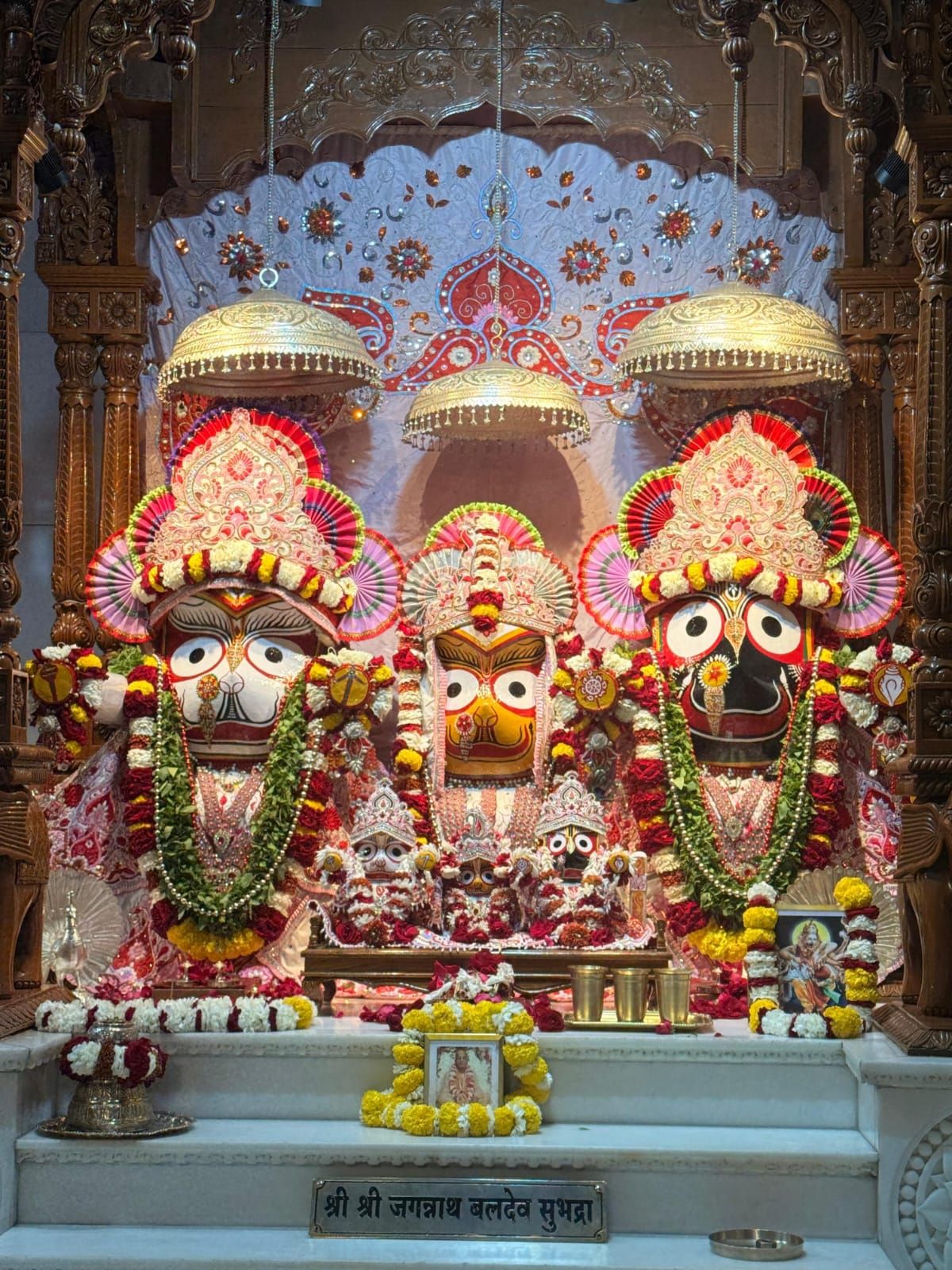
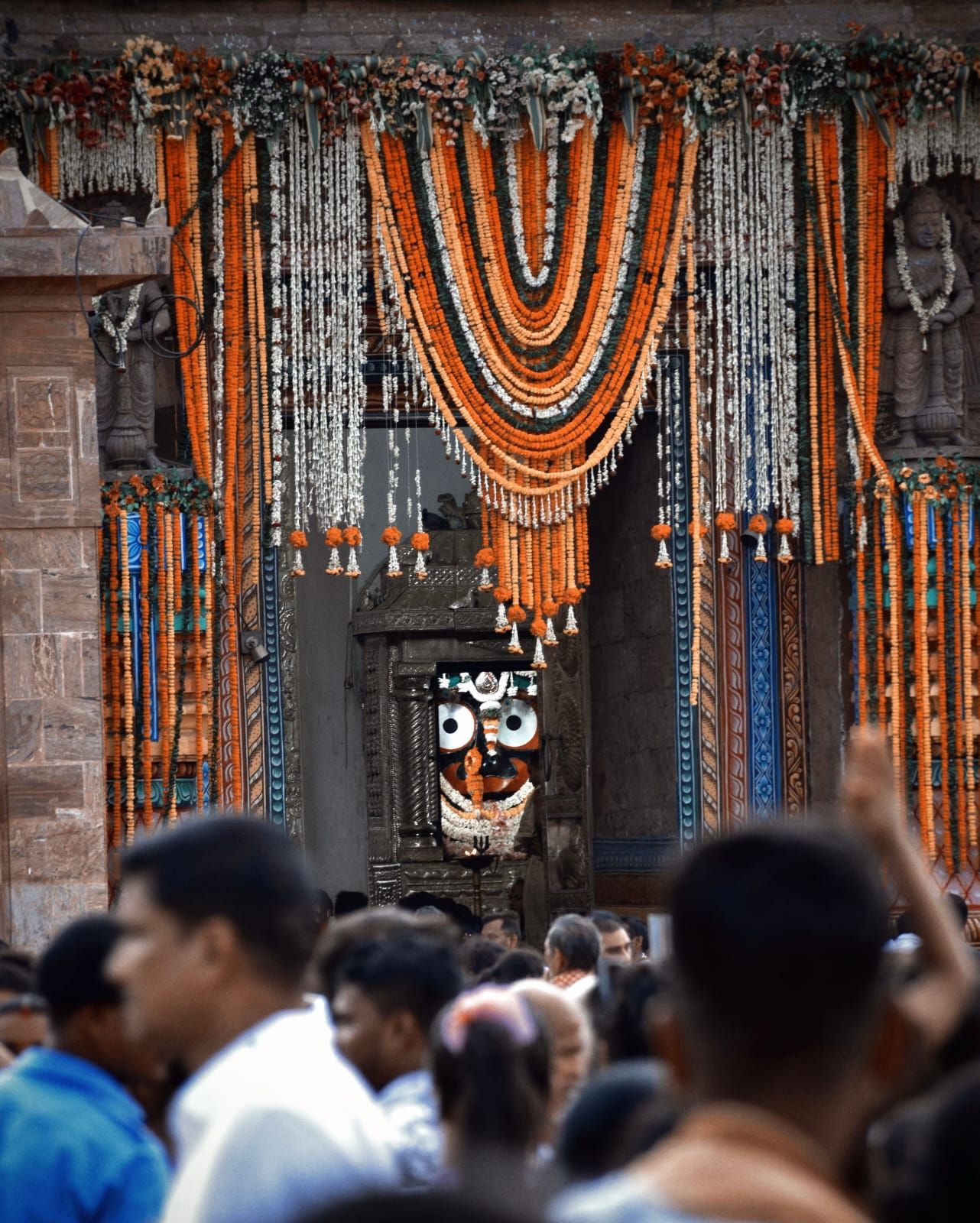
The Jagannath Temple is one of the most sacred Hindu temples, dedicated to Lord Jagannath, a form of Lord Vishnu. It is located in Puri, Odisha, on the eastern coast of India and is one of the four sacred Char Dham pilgrimage sites

Discover
About Puri Jagannath Temple
The Jagannath Temple is one of the most sacred Hindu temples, dedicated to Lord Jagannath, a form of Lord Vishnu. It is located in Puri, Odisha, on the eastern coast of India and is one of the four sacred Char Dham pilgrimage sites. According to temple tradition, King Indradyumna of Avanti built the original temple. The present temple complex was reconstructed from the 11th century onward by King Anantavarman Chodaganga of the Eastern Ganga dynasty. Many temple rituals have roots in tribal traditions, particularly those of the Sabar (Shabara) community, whose descendants continue to serve the temple in certain hereditary roles.
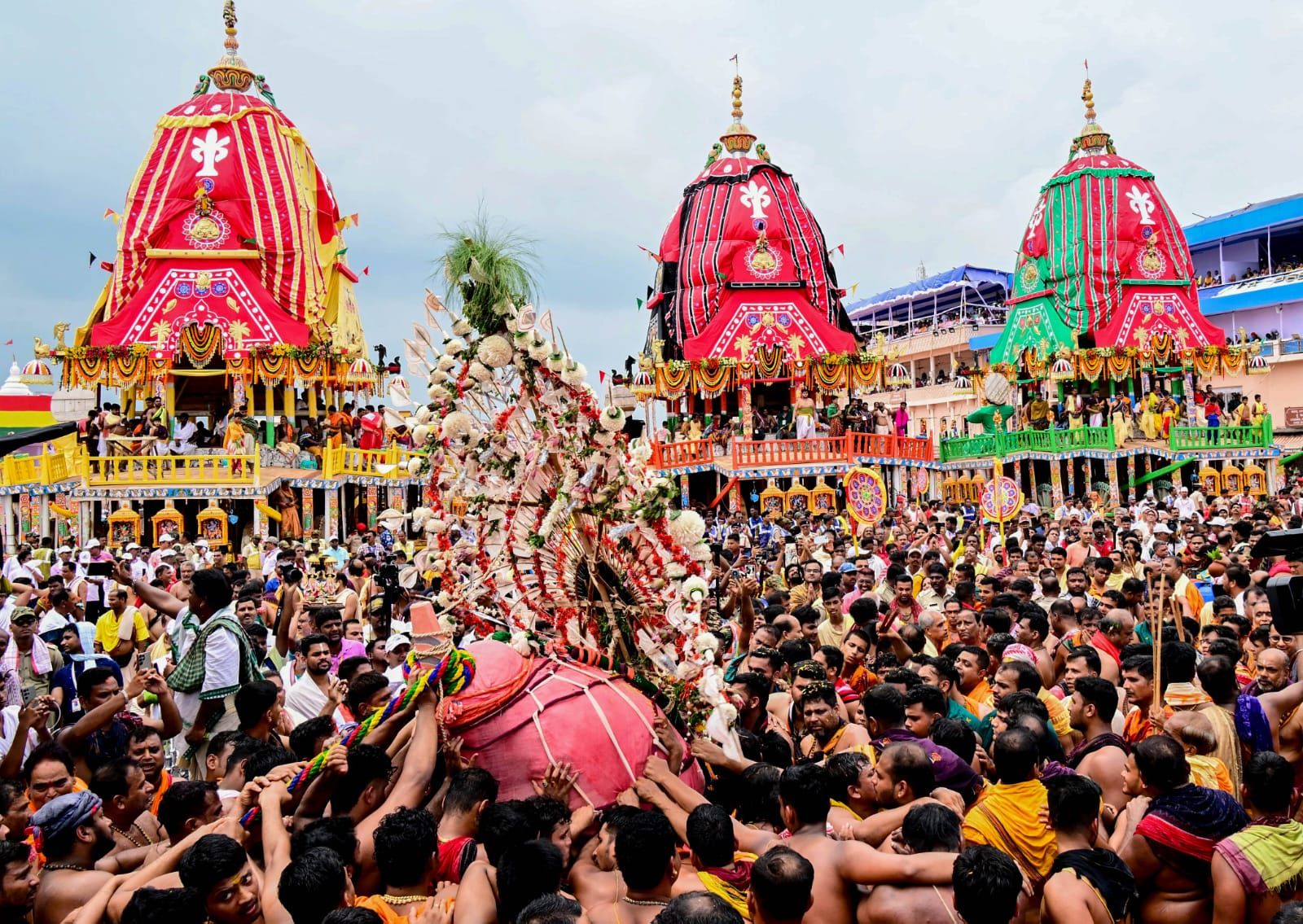
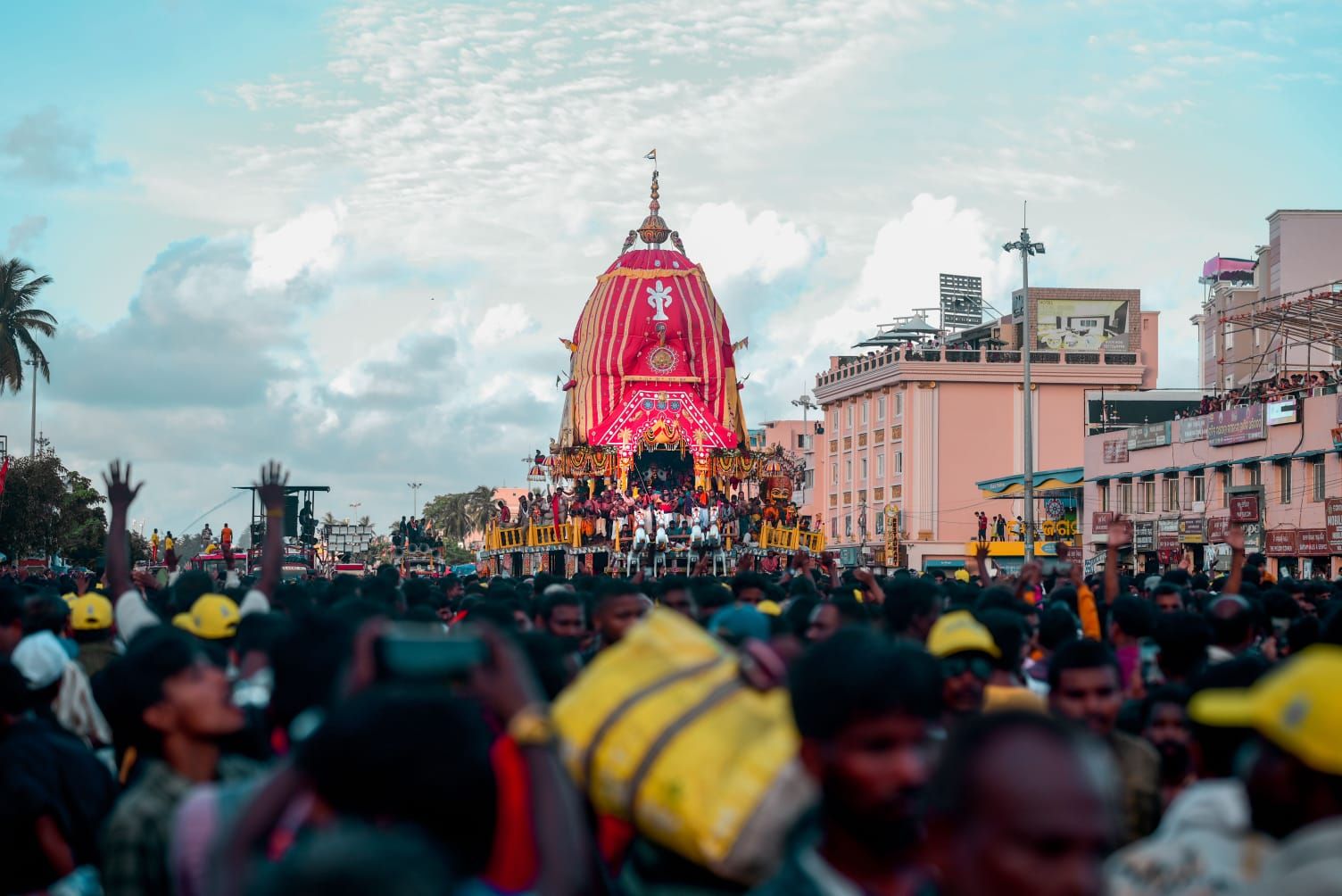
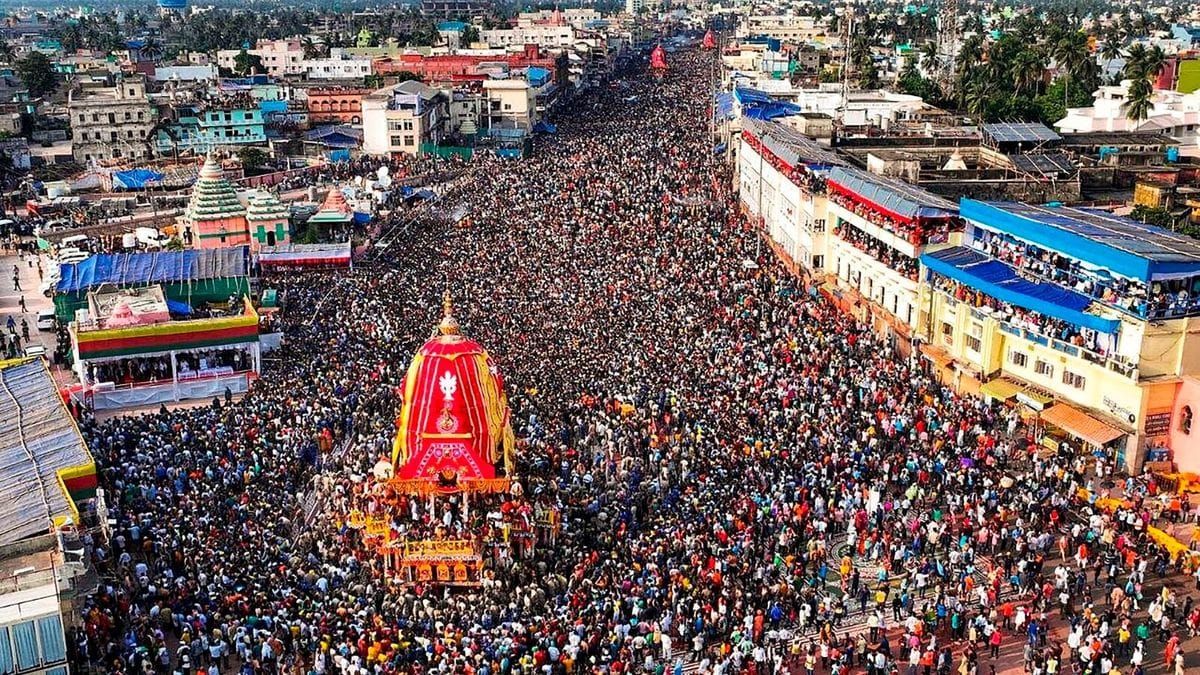
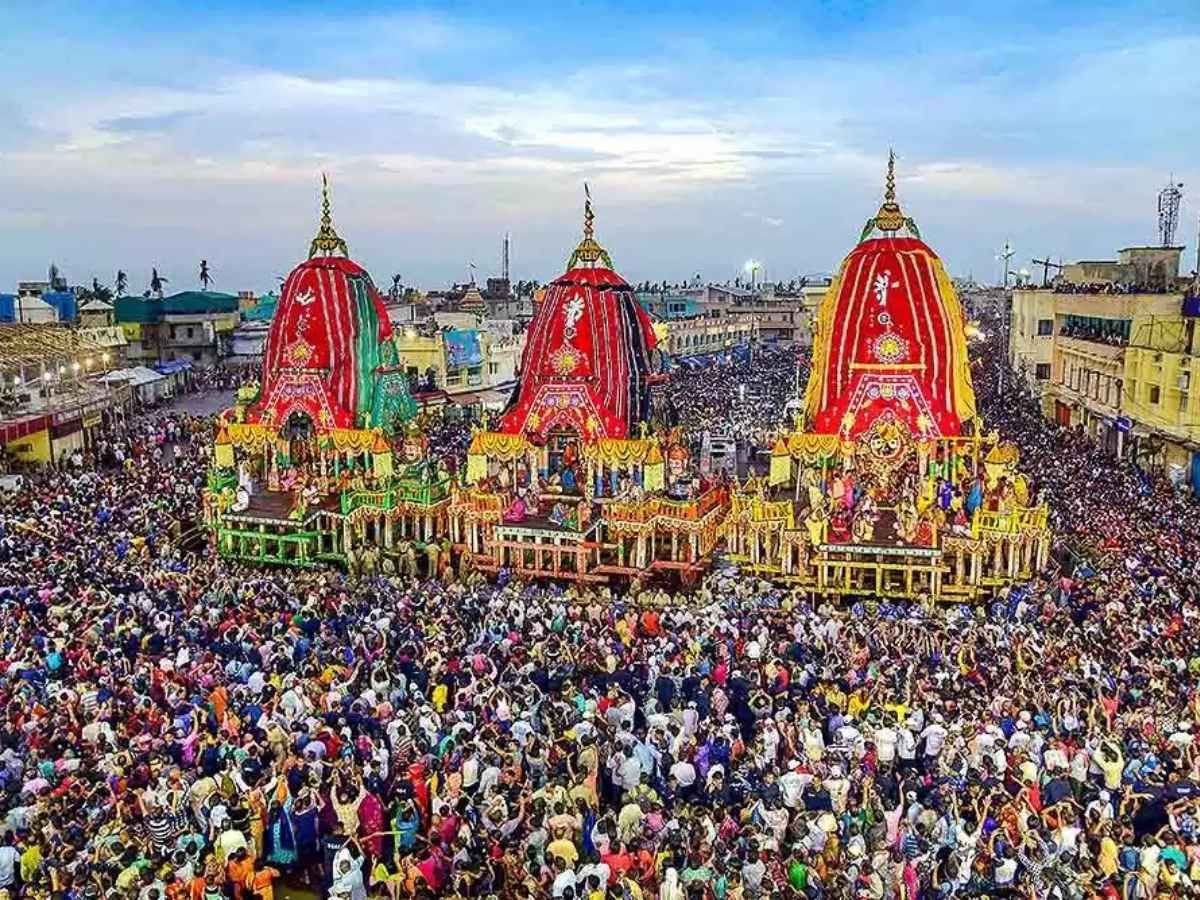
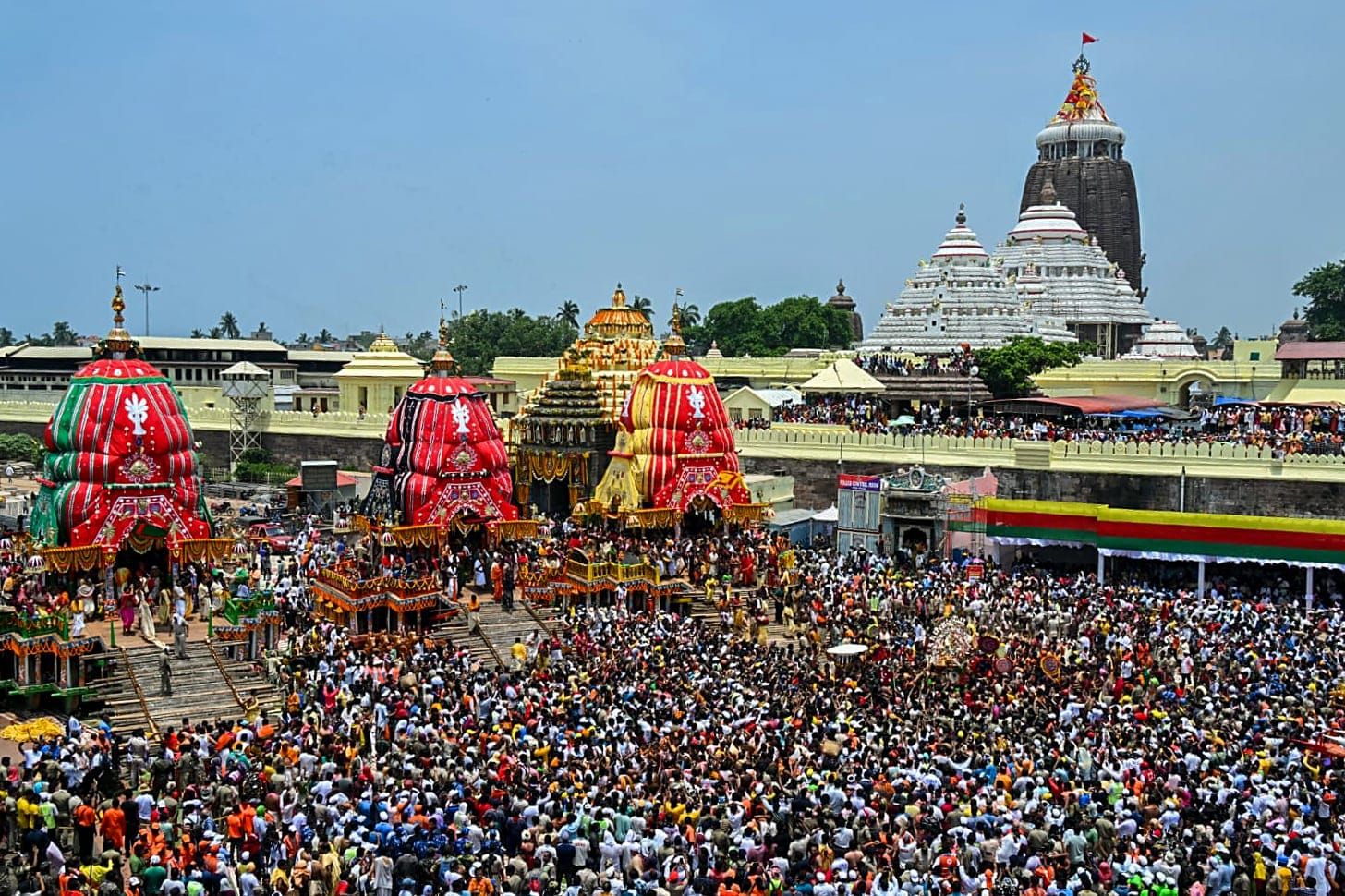
The temple is world-famous for its annual Ratha Yatra (Chariot Festival), during which the three principal deities—Lord Jagannath, Lord Balabhadra, and Goddess Subhadra—are taken in grand wooden chariots through the streets of Puri. Millions of devotees gather each year to witness this festival. A unique feature of the temple is that the deities are carved from sacred neem (margosa) wood rather than stone or metal. Their wooden idols are ceremonially replaced every 12 or 19 years during the elaborate Nabakalebara ritual.
The Jagannath Temple holds great importance in the Vaishnava tradition. Revered saints including Chaitanya Mahaprabhu, Ramanujacharya, Madhvacharya, Nimbarkacharya, Vallabhacharya, Ramananda, and Adi Shankaracharya were closely associated with the temple. Ramanujacharya established the Emar Math, while Adi Shankaracharya founded the Govardhan Math in Puri, one of the four principal monasteries (Mathas) of the Shankaracharya tradition.
Through The Ages
Temple History
Temple Architecture
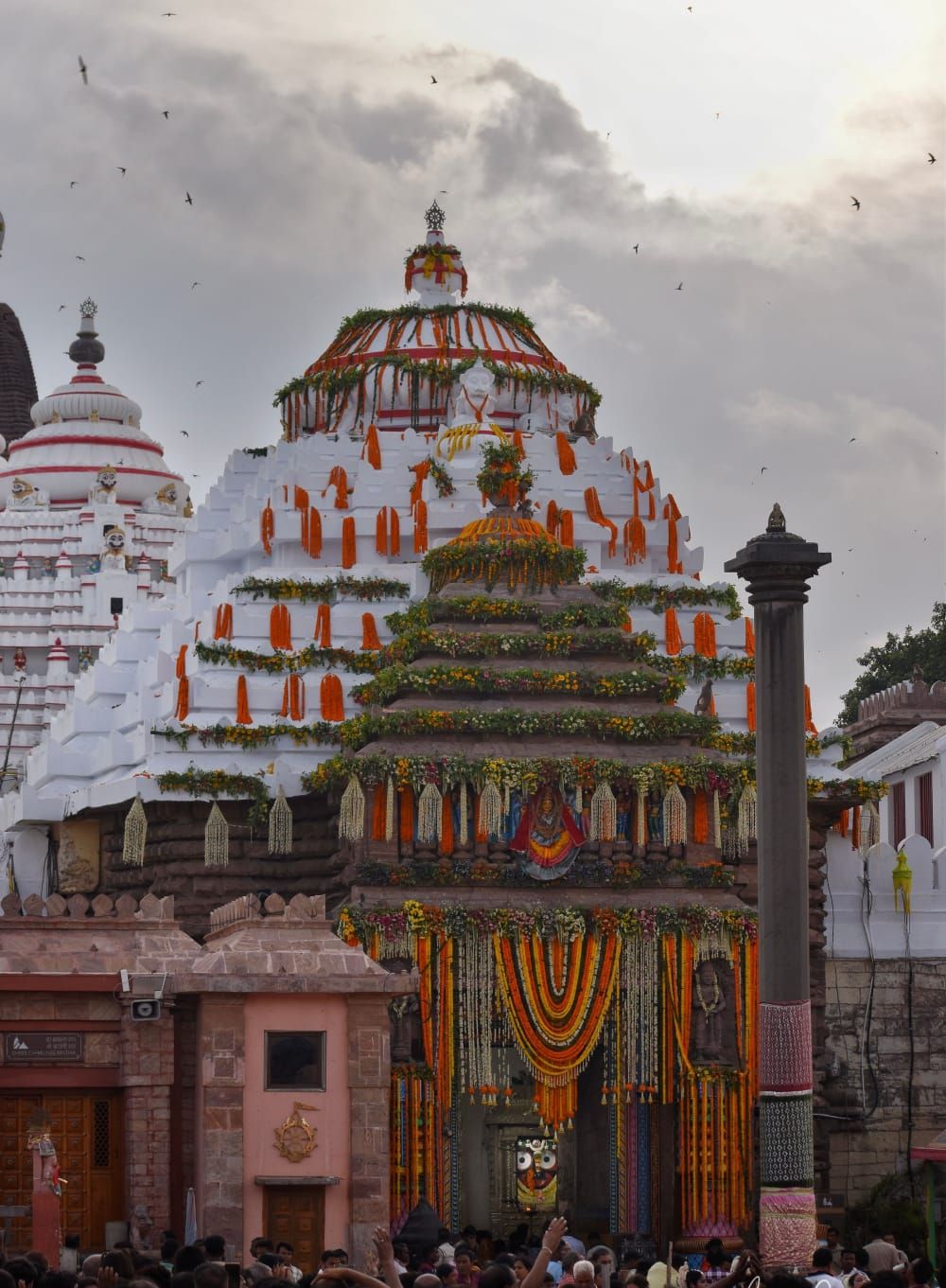
The Jagannath Temple is one of the finest examples of Kalinga (Odishan) temple architecture. The present structure was built in the early 12th century by King Anantavarman Chodaganga and later expanded by his successors.
Main Features
Architectural style:
Kalinga (Rekha Deula) style.
Height:
The main temple tower (Shikhara/Vimana) rises to about 65 metres (214 feet).
Material:
Built primarily from khondalite stone.
Temple complex:
Surrounded by two massive walls:
Meghanada Prachira (outer wall), Kurma Bedha (inner wall)
Four Main Structures
- The temple follows the traditional Kalinga layout with four principal buildings aligned on an east-west axis:
- Vimana (Deula) – The sanctum (Garbha Griha), where Lord Jagannath, Balabhadra, and Subhadra are enshrined.
- Jagamohana – The assembly or prayer hall for devotees.
- Nata Mandapa – The dancing hall, traditionally used for devotional performances.
Bhoga Mandapa
The hall where offerings (bhoga) are prepared and presented before being distributed as Mahaprasad.
Temple Tower
The main tower is crowned by the Nilachakra, an eight-spoked wheel made of an alloy of eight sacred metals (Ashtadhatu).
Above the Nilachakra flies the sacred Patitapavana Bana (temple flag), which is changed every day according to ancient tradition.
Four Entrance Gates
The temple has four gateways, each facing a cardinal direction:
- Singhadwara (Lion Gate) – East (main entrance)
- Hastidwara (Elephant Gate) – North
- Vyaghradwara (Tiger Gate) – West
- Ashwadwara (Horse Gate) – South
The Singhadwara is the principal entrance and is guarded by two majestic stone lions.
Other Architectural Features
The temple complex contains over 100 smaller shrines dedicated to various Hindu deities.The sacred Rohini Kunda is located within the complex. The temple kitchen is one of the largest in the world, where Mahaprasad is prepared daily using traditional earthen pots over wood-fired stoves. The grandeur of the Jagannath Temple reflects the artistic excellence of medieval Odisha and remains one of India's most important monuments of Hindu temple architecture.
Location
Puri
Deity
Lord Jagannath
State
Odisha
District
Puri
Dress Code
Visitors are expected to wear modest and traditional attire while visiting the temple.
Men
- Dhoti (Veshti) with or without a shirt.
- Full-length pants with a shirt or kurta.
- Pyjama with a shirt or kurta.
Women
- Saree
- Salwar Kameez / Churidar with dupatta.
- Pavadai–Davani (Half Saree).
Not Permitted
- Shorts or Bermudas.
- Sleeveless or revealing dresses.
- Tight leggings worn as the only lower garment.
- Torn or inappropriate clothing.
Devotee Guidelines:
- Wear clean, decent, and respectful clothing suitable for a place of worship.
- Traditional Indian attire is encouraged, especially during festivals and special poojas.
- Remove footwear before entering the temple premises.
Kurti with leggings and dupatta.
Do's:
- Dress modestly in traditional or decent attire.
- Remove your footwear before entering the temple premises.
- Maintain silence and respect the sanctity of the temple.
- Follow the instructions of temple authorities and security personnel.
- Stand patiently in the darshan queue.
- Deposit mobile phones, cameras, and prohibited items in the designated counters if required.
- Keep the temple premises clean by using dustbins.
- Stay hydrated, especially if you climb the 693 steps to the hilltop shrine.
Don'ts:
- Do not wear revealing, torn, or inappropriate clothing.
- Do not consume alcohol, tobacco, or intoxicating substances before or inside the temple.
- Do not carry plastic bags or litter the temple premises.
- Do not take photographs or videos in prohibited areas, especially inside the sanctum (Garbhagriha).
- Do not jump queues or push other devotees.
- Do not touch the idols, temple structures, or decorations unless permitted.
- Do not bring pets into the temple premises.
- Do not engage in loud conversations or play music inside the temple.
- Do not accept prasadam or services from unauthorized persons.
By Road
Approximate coordinates: 19.804° N, 85.818° E. Distance from Bhubaneswar: About 60 km by road. The temple is one of the Char Dham pilgrimage sites and is easily accessible by road and rail.
By Rail
The nearest railway station is Puri railway station, around 2 km from the temple.
By Air
The nearest airport is Biju Patnaik International Airport, about 60 km away.
Upcoming Festivals
Temple Gallery
Temple Information
Temple Timings
Morning:
Afternoon:
Accommodation
Contact Number
Temple Website
Watch Live from Puri Jagannath Temple
Experience live darshan and temple rituals
Puri Jagannath Temple
Visit the Temple
Find Puri Jagannath Temple
Temple Location
Puri Jagannath Temple
Puri, Puri
Odisha