

Discover
About Pillayarpatti Vinayagar
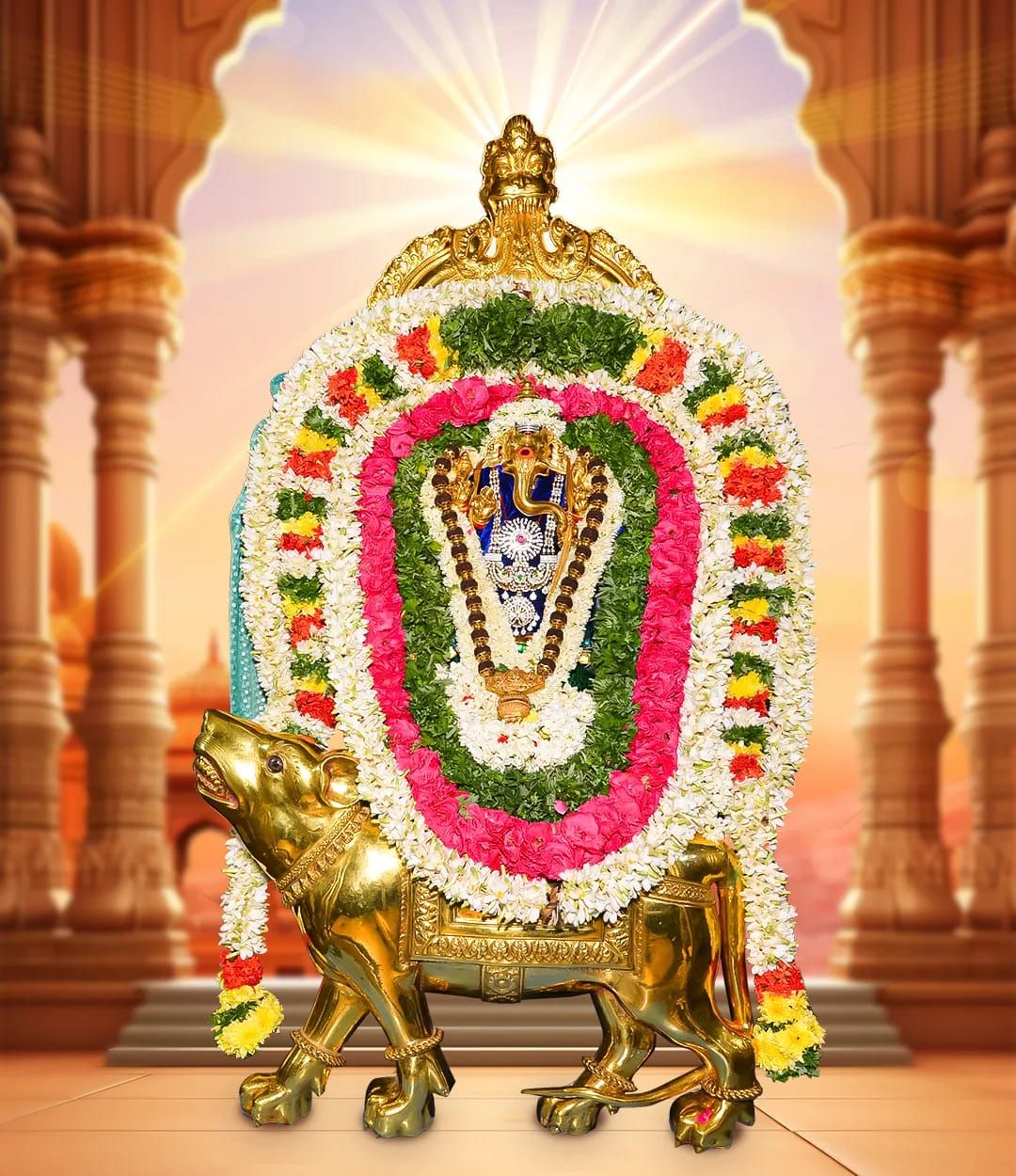
The Karpaga Vinayagar Temple, located in Pillayarpatti (Sivaganga district, Tamil Nadu, India), is one of the oldest and most famous rock-cut cave temples in South India. Dated back over 1,600 years (belonging to the early Pandya/Pallava architecture era), it is dedicated to Lord Ganesha.
Unique Features
Valampuri Vinayagar:
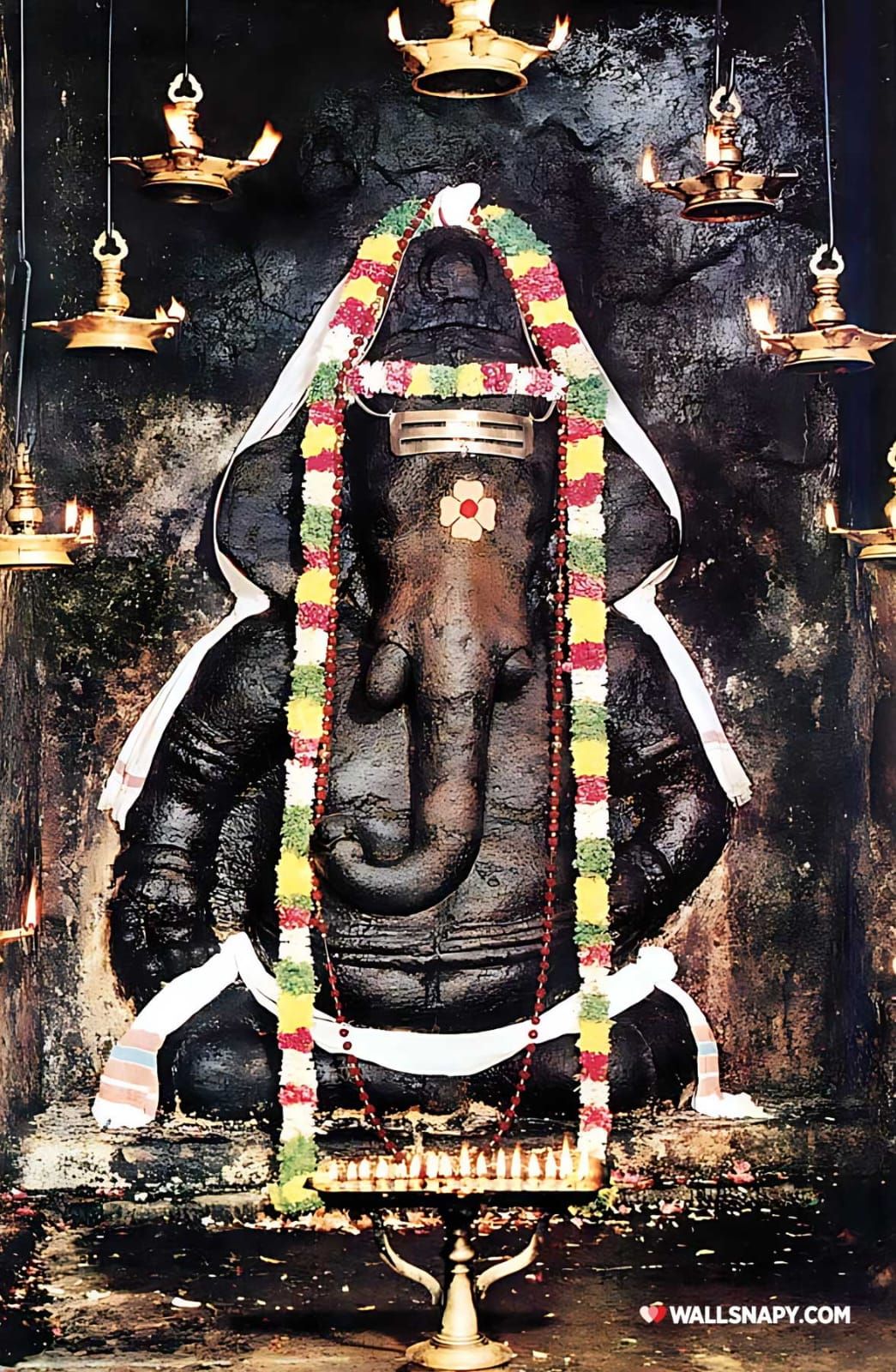
Unlike most Ganesha idols whose trunks curve to the left, the deity here features a trunk curved to the right (Valampuri).
Two Arms:
Most traditional Ganesha idols feature four arms, but the Pillayarpatti Ganesha is carved with only two arms, holding a Modak (sweet) in the right hand and an Angusam (goad) in the left.
Rock-Cut Architecture:
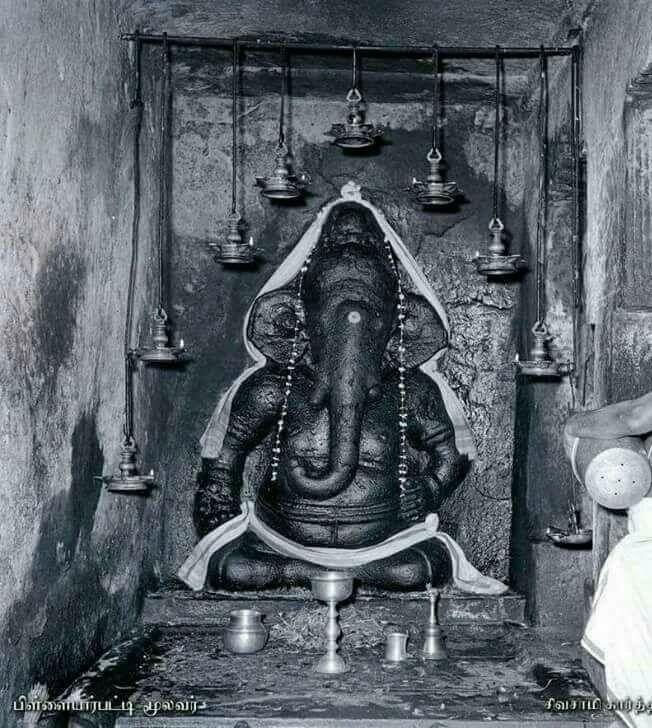
The 6-foot-tall idol of Ganesha is carved directly out of a cave hill.
Karpaga Vriksham:
He is named Karpaga Vinayagar after the celestial tree Karpaga Vriksham because he is believed to grant all genuine wishes of his devotees.
Main Deity:
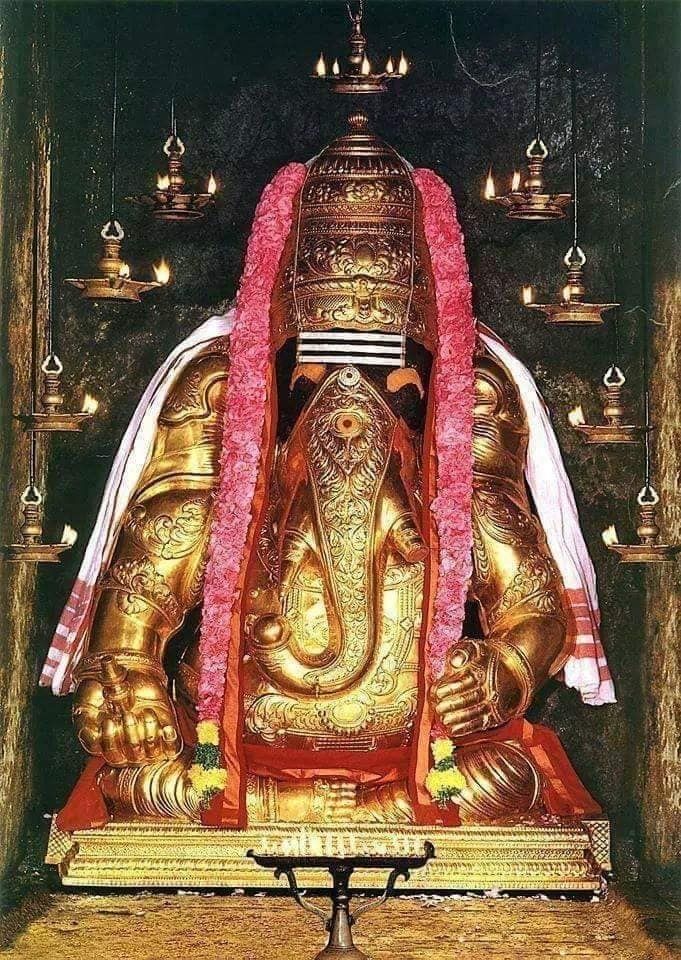
Sri Karpaga Vinayagar (Lord Ganesha). around 6 feet tall carved from a single rock. The idol has only two hands, unlike the usual four-handed form of Ganesha. The trunk curves to the right (Valampuri Vinayagar), which is considered highly auspicious.
Location of Pillayarpatti Karpaga Vinayagar Temple:
The Pillayarpatti Arulmigu Karpaga Vinayagar Temple is located in Pillayarpatti Village, Sivaganga District, Tamil Nadu, India. It is situated on the Karaikudi–Tiruppathur State Highway, making it easily accessible by road.
Distance from major cities:
- Karaikudi: Approximately 12 km.
- Tiruppathur: Approximately 12 km.
- Madurai: Approximately 71 km.
- Tiruchirappalli (Trichy): Approximately 95 km.
- Chennai: Approximately 420 km
Through The Ages
Temple History
Temple Architecture
The Pillayarpatti Karpaga Vinayagar Temple is one of the finest examples of early Pandya rock-cut (cave) architecture in Tamil Nadu. The temple combines an ancient cave shrine with later Dravidian-style additions, reflecting architectural developments over many centuries.
Rock-Cut Cave Shrine:
The oldest part of the temple is a rock-cut cave, carved directly into a natural hill. The sanctum (garbhagriha) and the main deity are hewn from a single rock, demonstrating the exceptional craftsmanship of ancient sculptors. The cave has a simple yet majestic design, emphasizing spirituality over ornamentation.
Karpaga Vinayagar Idol:
The presiding deity, Sri Karpaga Vinayagar, is approximately 6 feet (1.8 m) tall. The idol is carved from the living rock and is one of the largest ancient rock-cut Ganesha idols in India. The deity has two hands, unlike the more common four-armed form of Ganesha. The trunk curves to the right (Valampuri Vinayagar), a rare and auspicious feature.
Dravidian Temple Complex:
- Over the centuries, the temple expanded beyond the cave and now includes:
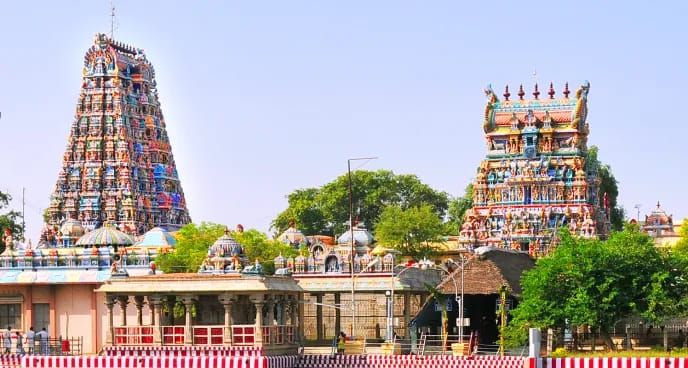
- A majestic Rajagopuram (entrance tower).
- Spacious mandapams (pillared halls) used for rituals and festivals.
- Beautifully carved granite pillars featuring traditional motifs and sculptures.
- Multiple prakarams (circumambulatory corridors) for devotees to walk around the sanctum.
Other Shrines:
The temple complex houses several important shrines dedicated to:
Lord Shiva (Marudeeswarar), Goddess Sivakami, Lord Murugan, Nataraja, Dakshinamurthy, Chandikeswarar, Navagrahas and other deities.
Temple Tank:
A sacred temple tank is located within the complex. Devotees use it for ritual purification before worship, especially during major festivals.
Inscriptions:
The temple walls contain ancient Tamil inscriptions dating back to the Pandya period. These inscriptions record donations, temple administration, and historical events, making the temple an important archaeological monument.
Architectural Significance:
- One of Tamil Nadu's oldest rock-cut cave temples.
- A remarkable blend of Pandya cave architecture and later Dravidian temple architecture.
- Preserves ancient sculptures, inscriptions, and traditional temple planning, making it a significant monument of South Indian art and heritage.
Location
Tiruppattur
Deity
Sri Karpaga Vinayagar
State
Tamil Nadu
District
Sivagangai
Dress Code
Visitors are expected to wear modest and traditional attire while visiting the temple.
Men
- Dhoti (Veshti) with or without a shirt.
- Full-length pants with a shirt or kurta.
- Pyjama with a shirt or kurta.
Women
- Saree
- Salwar Kameez / Churidar with dupatta.
- Pavadai–Davani (Half Saree).
Not Permitted
- Shorts or Bermudas.
- Sleeveless or revealing dresses.
- Tight leggings worn as the only lower garment.
- Torn or inappropriate clothing.
Devotee Guidelines:
- Wear clean, decent, and respectful clothing suitable for a place of worship.
- Traditional Indian attire is encouraged, especially during festivals and special poojas.
- Remove footwear before entering the temple premises.
Do's:
- Dress modestly in traditional or decent attire.
- Remove your footwear before entering the temple premises.
- Maintain silence and respect the sanctity of the temple.
- Follow the instructions of temple authorities and security personnel.
- Stand patiently in the darshan queue.
- Deposit mobile phones, cameras, and prohibited items in the designated counters if required.
- Keep the temple premises clean by using dustbins.
- Stay hydrated, especially if you climb the 693 steps to the hilltop shrine.
Don'ts:
- Do not wear revealing, torn, or inappropriate clothing.
- Do not consume alcohol, tobacco, or intoxicating substances before or inside the temple.
- Do not carry plastic bags or litter the temple premises.
- Do not take photographs or videos in prohibited areas, especially inside the sanctum (Garbhagriha).
- Do not jump queues or push other devotees.
- Do not touch the idols, temple structures, or decorations unless permitted.
- Do not bring pets into the temple premises.
- Do not engage in loud conversations or play music inside the temple.
- Do not accept prasadam or services from unauthorized persons.
By Road
Frequent Bus service available from major cities like Chennai, Madurai, Karaikudi, Devakottai, Tirucirappali, Sivagangai, Rameswaram, Sivakasi, Paramakudi, Theni ,Kodaikanal, Coimbatore, Dindigul, Palani, Pudhukkotai, Aranthangi, Salem, Nagore, Nagappattinam, Bangalore.
By Rail
The nearest Railway Station is at
- Karaikudi - 13 kms
- Madurai - 70 Kms
- Trichy - 100 Kms
By Air
The nearest Air Ports:
- Madurai - 70 kms
- Trichy - 100 kms
- Coimbatore - 260 kms
Upcoming Festivals
Temple Gallery
Daily Schedule
Daily Pooja Timings
| Pooja | Time | Duration | Type |
|---|---|---|---|
| Kalasanthi Pooja | 8:30 am | 45 min | Morning |
| Uchikala Pooja | 11:30 am | 30 min | Noon |
| Sayaraksha Pooja | 5:00 am | 45 min | Evening |
| Arthajama Pooja | 7:30 am | 20 min | Night |
| Thiruvanandal Pooja | 6:00 am | 30 min | Morning |
Visit the Temple
Find Pillayarpatti Vinayagar
Temple Location
Pillayarpatti Vinayagar
Tiruppattur, Sivagangai
Tamil Nadu