

Discover
About Palani Murugan Temple
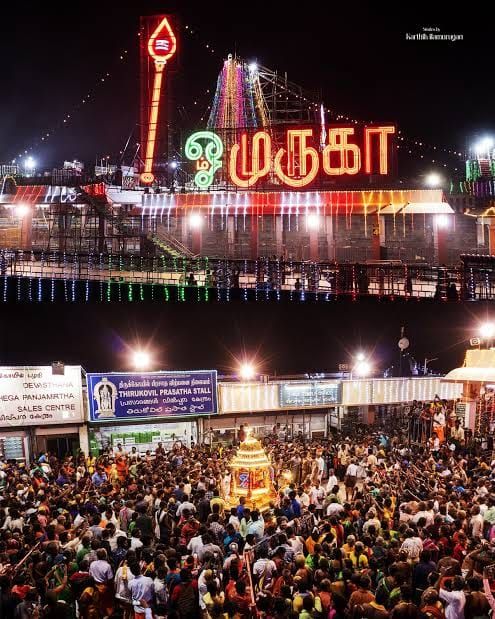
Palani Murugan Temple, officially known as Arulmigu Dhandayuthapani Swamy Temple, is one of the most sacred Hindu temples dedicated to Lord Murugan (Kartikeya/Skanda). It is located on Sivagiri Hill in Palani, Dindigul district, Tamil Nadu.
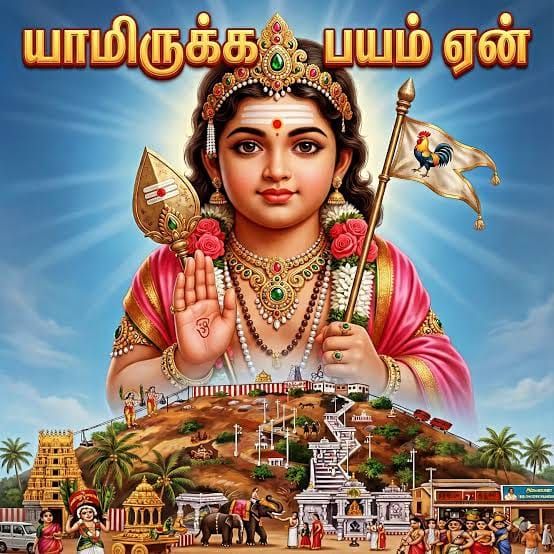
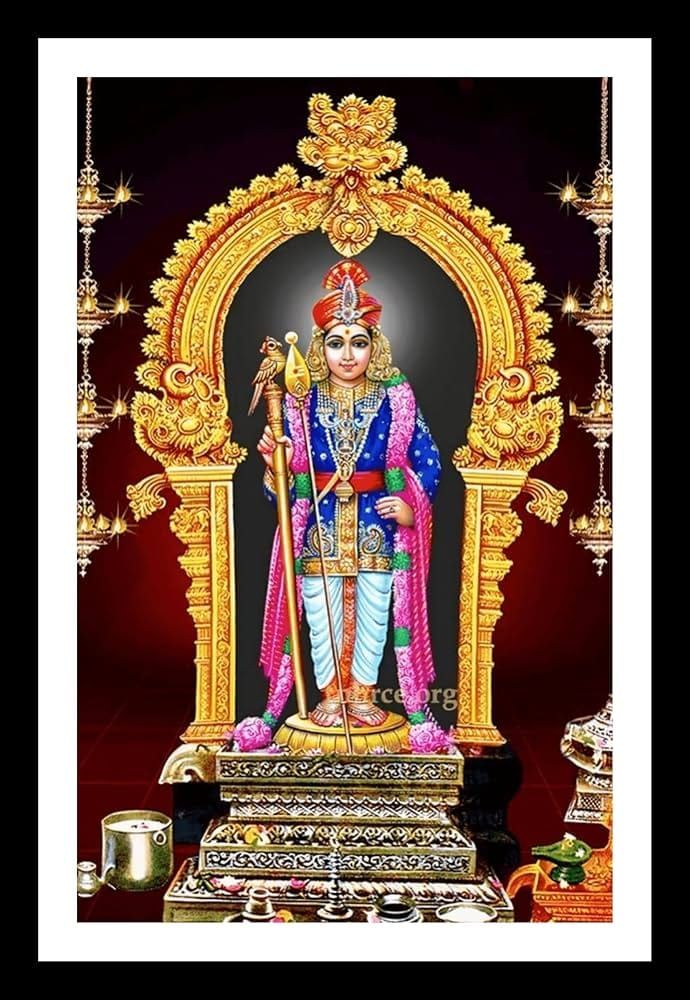
The temple is one of the Six Sacred Abodes (Arupadai Veedu) of Lord Murugan, making it one of the most important pilgrimage destinations for Murugan devotees. The presiding deity, Lord Dhandayuthapani Swamy, is worshipped as a young ascetic holding a staff (dhandam), symbolizing wisdom, renunciation, and spiritual knowledge.
The temple has a history spanning nearly 2,000 years and is closely associated with the legend of the Gnana Pazham (Fruit of Wisdom). According to tradition, after Lord Ganesha received the divine fruit, Lord Murugan came to Palani and chose to live as a renunciate. The temple's main idol is traditionally believed to have been consecrated by the Siddhar Bogar using Navapashanam, a sacred combination of nine medicinal minerals.
Palani Murugan Temple is also famous for, Palani Panchamirtham, a GI-tagged sacred prasadam. Annual festivals such as Thai Poosam, Panguni Uthiram, and Skanda Sashti. Pilgrims carrying Kavadi and performing tonsuring as acts of devotion. Access to the hilltop shrine by steps, rope car, or winch railway. Every year, millions of devotees from India and around the world visit the temple to seek the blessings of Lord Murugan.
Temple Opening Hours (Ordinary Days)
- Morning: 5:45 AM – 1:00 PM.
- Afternoon Break: 1:00 PM – 4:00 PM (temple remains closed for devotees).
- Evening: 4:00 PM – 8:00 PM.
Festival Days:
On major festival days such as Thai Poosam, Panguni Uthiram, Skanda Sashti, Karthigai, Deepavali, and during the Margazhi month temple opens at 4:00 AM. Closing time may be extended beyond 9:00 PM, depending on the crowd.
Through The Ages
Temple History
Temple Architecture
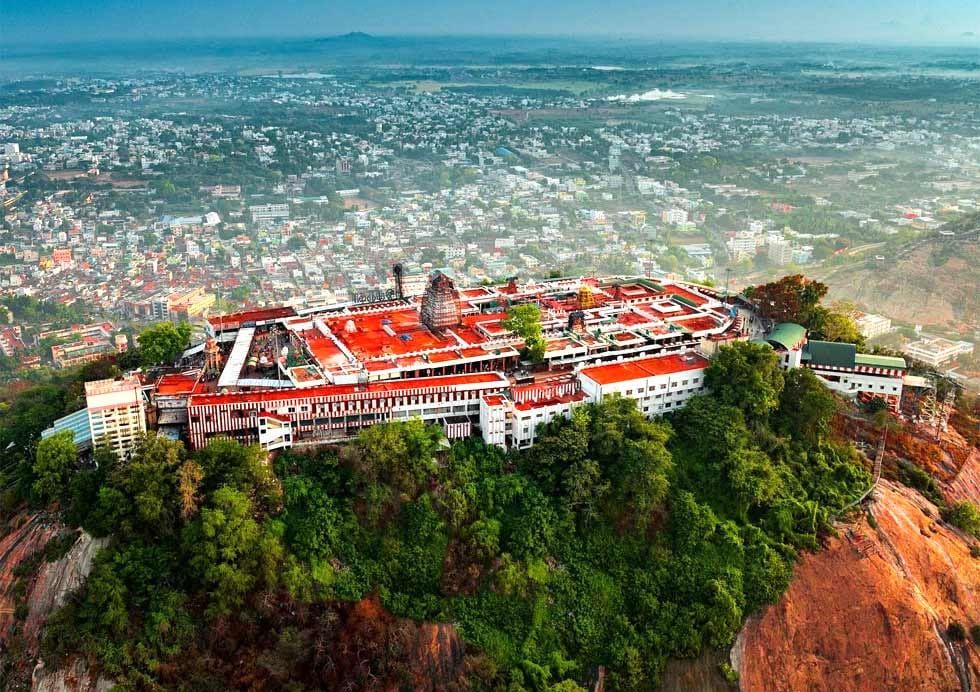
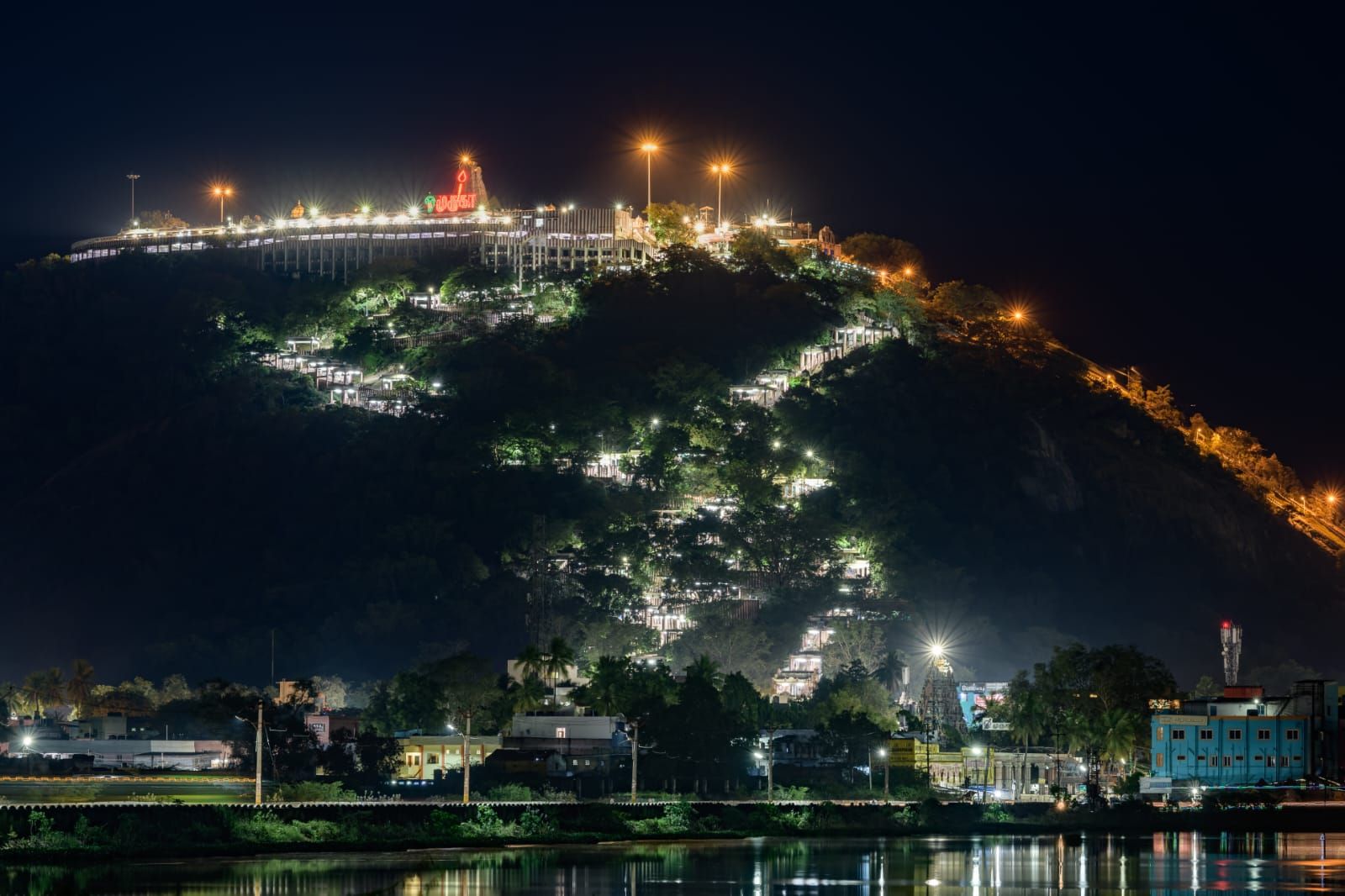
The Arulmigu Dhandayuthapani Swamy Temple showcases the traditional Dravidian style of architecture. Situated atop Sivagiri Hill, the temple blends ancient craftsmanship with the natural beauty of the surrounding hills.
Hilltop Temple
The temple is built on Sivagiri Hill, at an elevation of about 150 metres (500 feet) above sea level. Devotees can reach the temple by climbing approximately 693 stone steps, or by using the rope car or winch railway.
Rajagopuram
The temple's Rajagopuram (main entrance tower) is a magnificent multi-tiered structure adorned with colourful sculptures of Hindu deities, saints, and mythological figures. It serves as the grand entrance to the temple complex.
Sanctum Sanctorum (Garbhagriha)
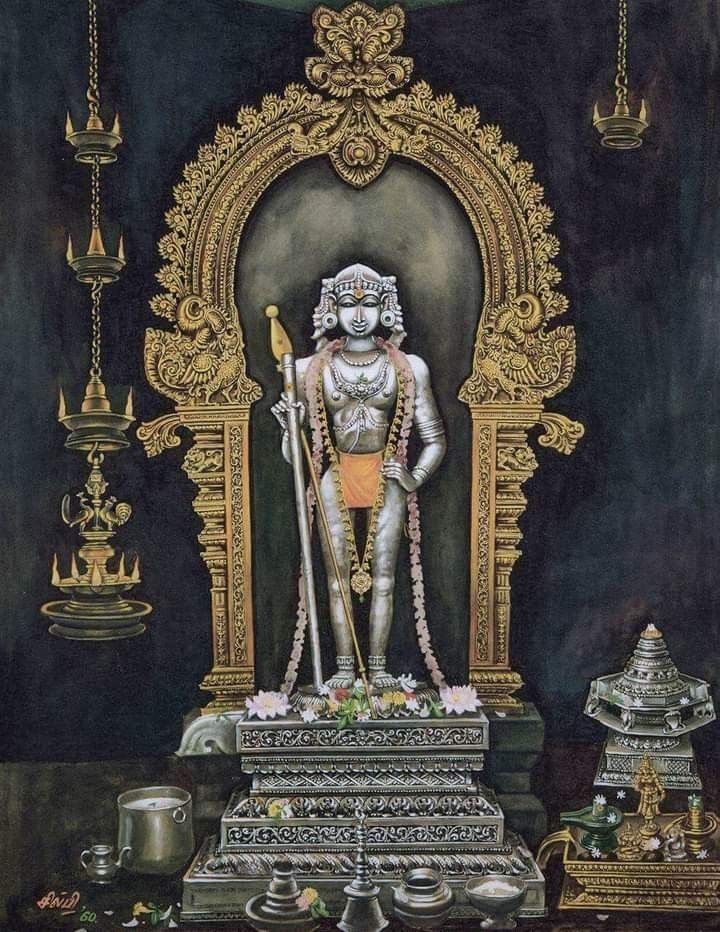
The Garbhagriha houses the idol of Lord Dhandayuthapani Swamy, standing as a youthful ascetic holding a danda (staff). The idol is traditionally believed to have been created by Siddhar Bogar using Navapashanam, a sacred combination of nine medicinal minerals.
Golden Vimana
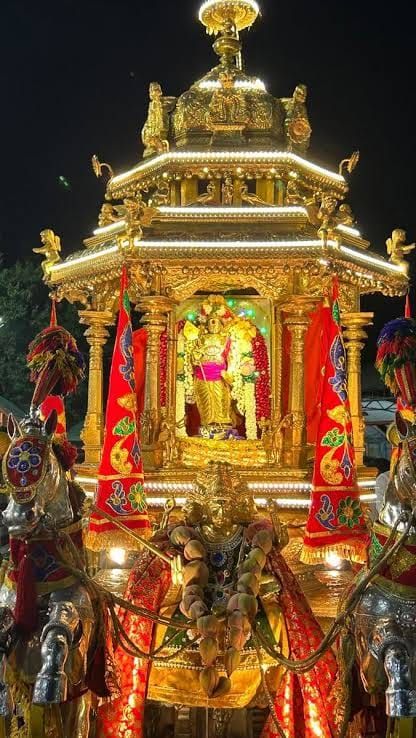
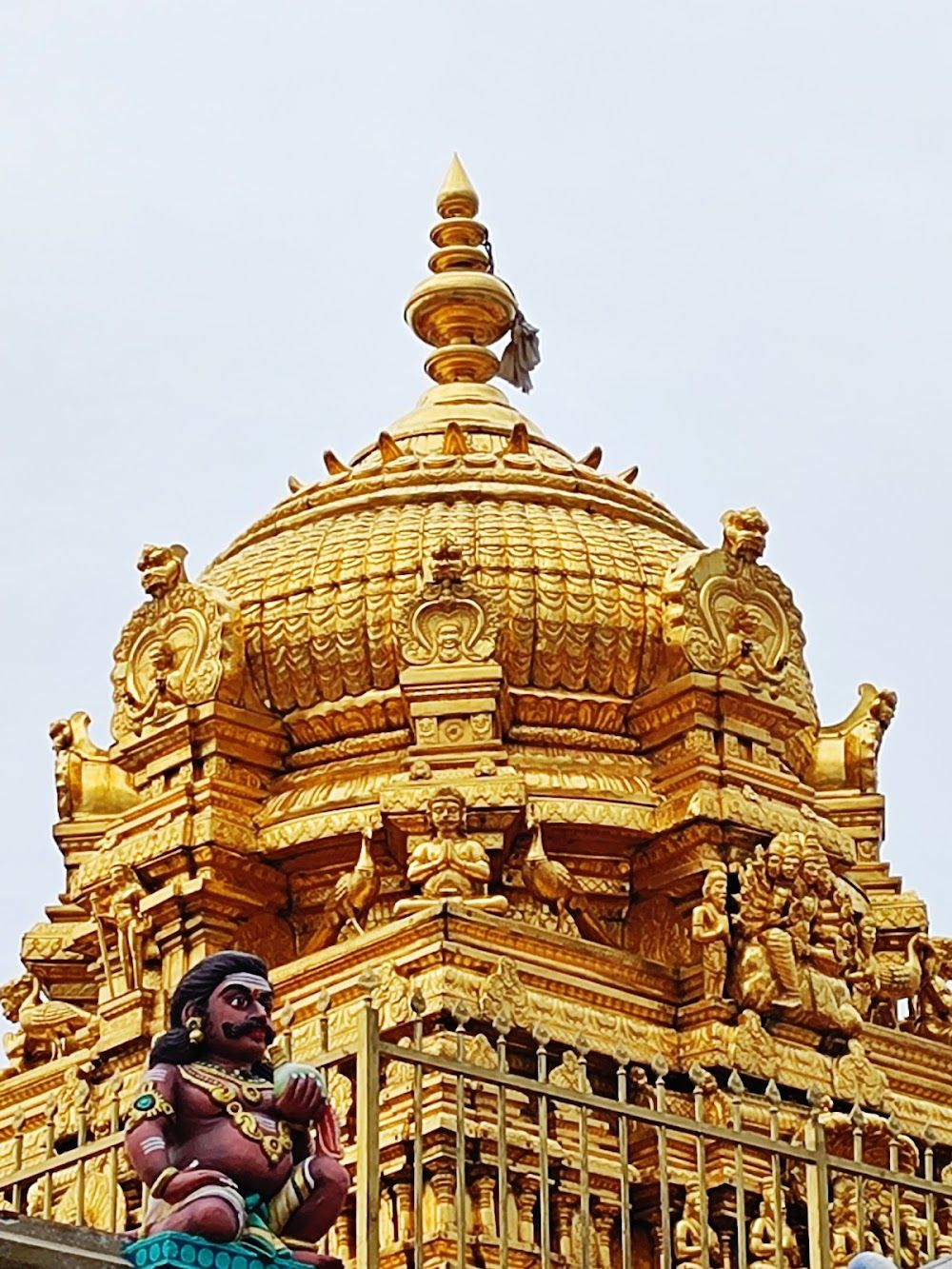
Above the sanctum stands the gold-plated Vimana (tower), one of the temple's most striking architectural features.It symbolizes the divine presence of Lord Murugan.
Mandapams
The temple complex contains several mandapams (pillared halls) used for worship, religious discourses, and festival processions.
The stone pillars are decorated with intricate carvings depicting deities, animals, and floral motifs.
Prakarams
The temple has spacious prakarams (circumambulatory corridors) where devotees perform pradakshina (circumambulation) around the sanctum.
Shrines
The temple complex includes shrines dedicated to:
- Siddhar Bogar, Idumban, Lord Ganesha, Nava Veerars and other guardian deities.
Temple Tank
At the foothill is the sacred Saravana Poigai temple tank, where many devotees take a ritual bath before offering prayers.
Architectural Significance
The temple reflects the architectural contributions of the Chera, Pandya, Chola, Vijayanagara, and Nayak dynasties. Their patronage over the centuries added gopurams, mandapams, shrines, and other structures, making Palani Murugan Temple one of the finest examples of Dravidian temple architecture in Tamil Nadu.
Location
Palani
Deity
Murugan
State
Tamil Nadu
District
Dindigul
Dress Code
Visitors are expected to wear modest and traditional attire while visiting the temple.
Men
- Dhoti (Veshti) with or without a shirt.
- Full-length pants with a shirt or kurta.
- Pyjama with a shirt or kurta.
Women
- Saree
- Salwar Kameez / Churidar with dupatta.
- Pavadai–Davani (Half Saree).
Not Permitted
- Shorts or Bermudas.
- Sleeveless or revealing dresses.
- Tight leggings worn as the only lower garment.
- Torn or inappropriate clothing.
Devotee Guidelines:
- Wear clean, decent, and respectful clothing suitable for a place of worship.
- Traditional Indian attire is encouraged, especially during festivals and special poojas.
- Remove footwear before entering the temple premises.
Do's:
- Dress modestly in traditional or decent attire.
- Remove your footwear before entering the temple premises.
- Maintain silence and respect the sanctity of the temple.
- Follow the instructions of temple authorities and security personnel.
- Stand patiently in the darshan queue.
- Deposit mobile phones, cameras, and prohibited items in the designated counters if required.
- Keep the temple premises clean by using dustbins.
- Stay hydrated, especially if you climb the 693 steps to the hilltop shrine.
Don'ts:
- Do not wear revealing, torn, or inappropriate clothing.
- Do not consume alcohol, tobacco, or intoxicating substances before or inside the temple.
- Do not carry plastic bags or litter the temple premises.
- Do not take photographs or videos in prohibited areas, especially inside the sanctum (Garbhagriha).
- Do not jump queues or push other devotees.
- Do not touch the idols, temple structures, or decorations unless permitted.
- Do not bring pets into the temple premises.
- Do not engage in loud conversations or play music inside the temple.
- Do not accept prasadam or services from unauthorized persons.
By Road
Palani is well connected by regular buses and highways from major cities in Tamil Nadu and nearby states. To the Hilltop Temple: Devotees can reach the temple by climbing the stone steps, using the sloping footpath, the rope car (cable car), or the winch railway.
By Rail
Palani Railway Station is about 2 km from the temple.
By Air
The nearest airports are Coimbatore International Airport (about 110 km) and Madurai Airport (about 120 km).
Upcoming Festivals
Temple Gallery
Temple Information
Temple Timings
Morning: 5:45 AM to 1:00 PM
Afternoon: 1:30 PM to 9:00 PM
Contact Number
Temple Website
Daily Schedule
Daily Pooja Timings
| Pooja | Time | Duration | Type |
|---|---|---|---|
| Vila Pooja | 6:45 am | 30 min | Morning |
| Sirukala Shanthi Pooja | 8:00 am | 30 min | Morning |
| Kalasanthi Pooja | 9:00 am | 45 min | Morning |
| Uchikala Pooja | 12:00 pm | 30 min | Noon |
| Sayaraksha Pooja | 5:30 am | 45 min | Evening |
| Arthajama Pooja | 8:30 am | 20 min | Night |
Visit the Temple
Find Palani Murugan Temple
Temple Location
Palani Murugan Temple
Palani, Dindigul
Tamil Nadu