
Discover
About Meenakshi Temple
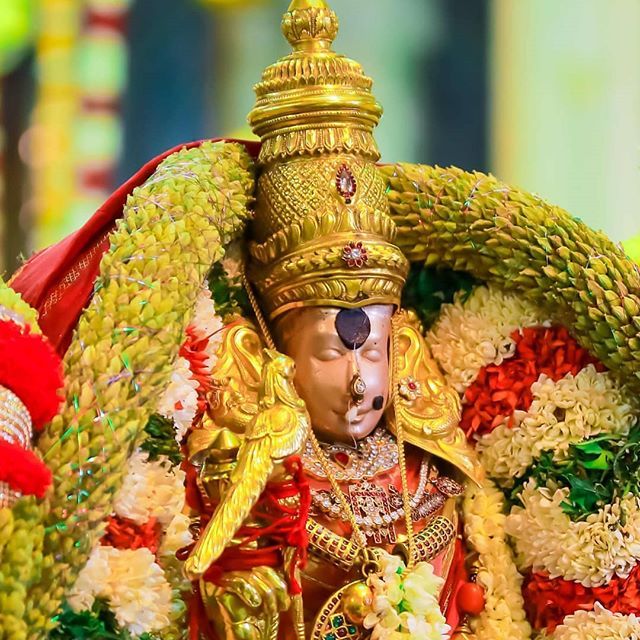
Meenakshi Temple, also known as Meenakshi Sundareswarar Temple, is a historic Hindu temple located on the southern bank of the Vaigai River in Madurai, Tamil Nadu, India. It is dedicated to Meenakshi[a], a form of Parvati, and her consort Sundareswarar[b] (Shiva). The temple is theologically significant as it represents a confluence of various denominations of Hinduism such as Shaivism, Shaktism, and Vaishnavism. While the Sangam literature mentions the temple city of Madurai, the existence of a temple is first referenced in the Tamil texts from 6th century CE. It is one of the Paadal Petra Sthalams, Shiva temples that are revered in the Tevaram verses composed by the Nayanars between the 6th and 11th century CE.
The early structures of the temple were built during the reign of the Pandyas in the 12th to 13th century CE. It was later rebuilt by the Vijayanagara Empire in the 14th century CE, after its destruction by the armies of the Delhi Sultanate. The temple complex was later expanded extensively by the Madurai Nayaks in the 16th and 17th centuries. While a few structural improvements were made during the 18th and 19th centuries CE, the temple condition degraded due to negligence during the British Raj. After the Indian independence in the mid 20th century, the temple was restored with donations collected from people. Further restoration and kumbhabhishekam of the temple was conducted in 1974, 1995, and 2009.
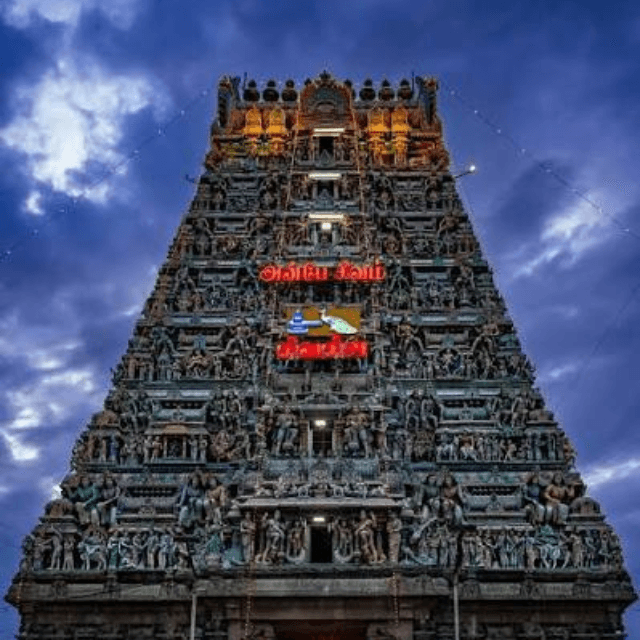
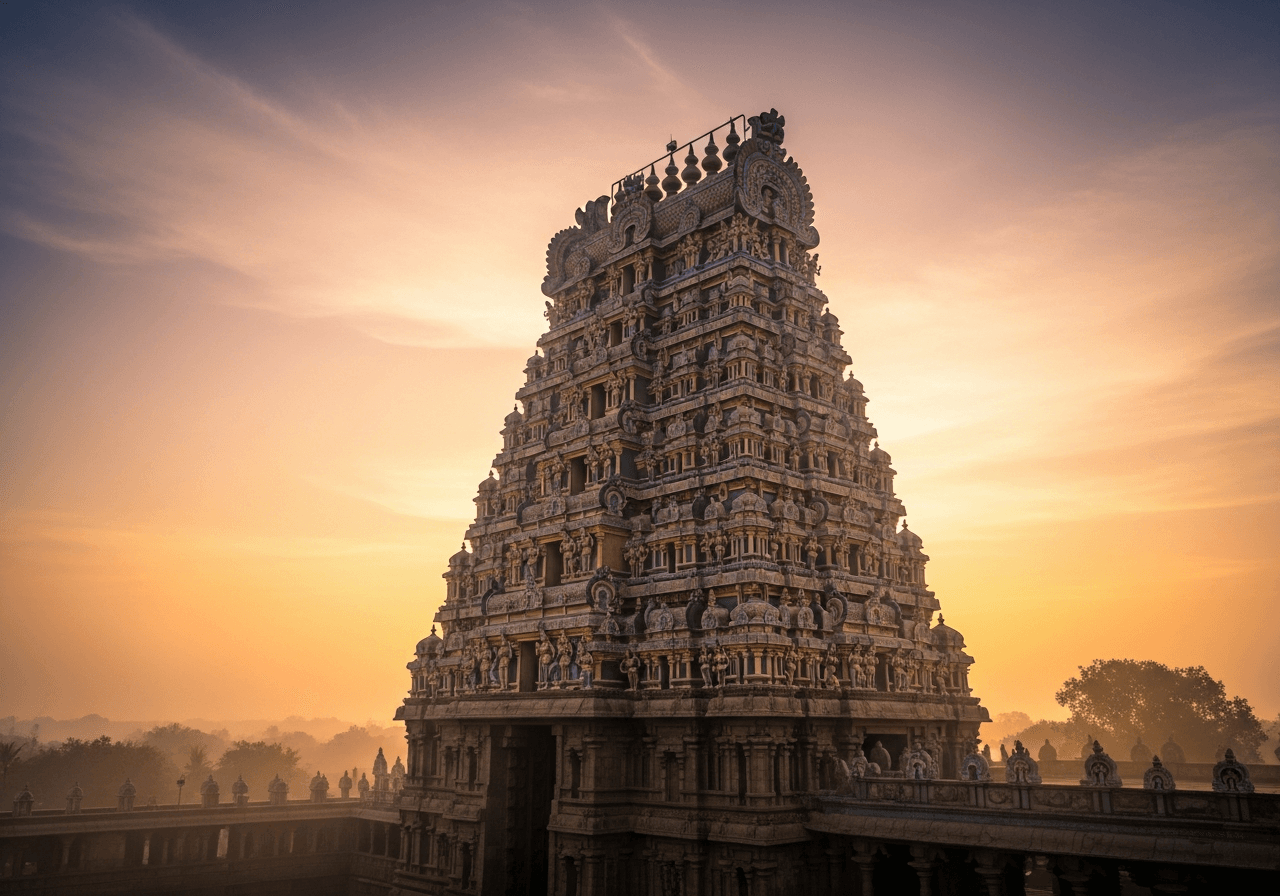
The temple complex is spread over 5.7 hectares (14 acres). It consists of monuments inside several concentric enclosures (prakara), each layer fortified with high masonry walls. The outer walls have four large gopurams (ornamental gateways), one on each cardinal direction, and 10 smaller gopurams. The tallest is the southern tower, which was built in the 16th century CE and rises to 170 ft (52 m). The shrines of Meenakshi and Sundareswarar, the prominent and largest of the shrines in the temple, is located in the courtyard of the innermost prakara. The complex has numerous mandapas, including the thousand pillared hall, which are used for housing idols, temple festivities, and as choultry. There are images of various Hindu gods located across various shrines and mandapas in the temple. The golden lotus pond (potramarai kulam) is the main temple tank, located within the premises.
Through The Ages
Temple History
Temple Architecture
The Meenakshi Amman Temple is one of the finest examples of Dravidian architecture. Renowned for its towering gopurams, intricately carved pillars, spacious halls, and vibrant sculptures, the temple is considered a masterpiece of South Indian temple design.
Temple Complex:
The temple covers approximately 14 acres (5.7 hectares). It is enclosed by massive granite walls with four main entrances, one on each cardinal direction.
The temple has two main sanctums:
- Goddess Meenakshi, the principal deity.
- Lord Sundareswarar (Shiva).
Gopurams (Gateway Towers):
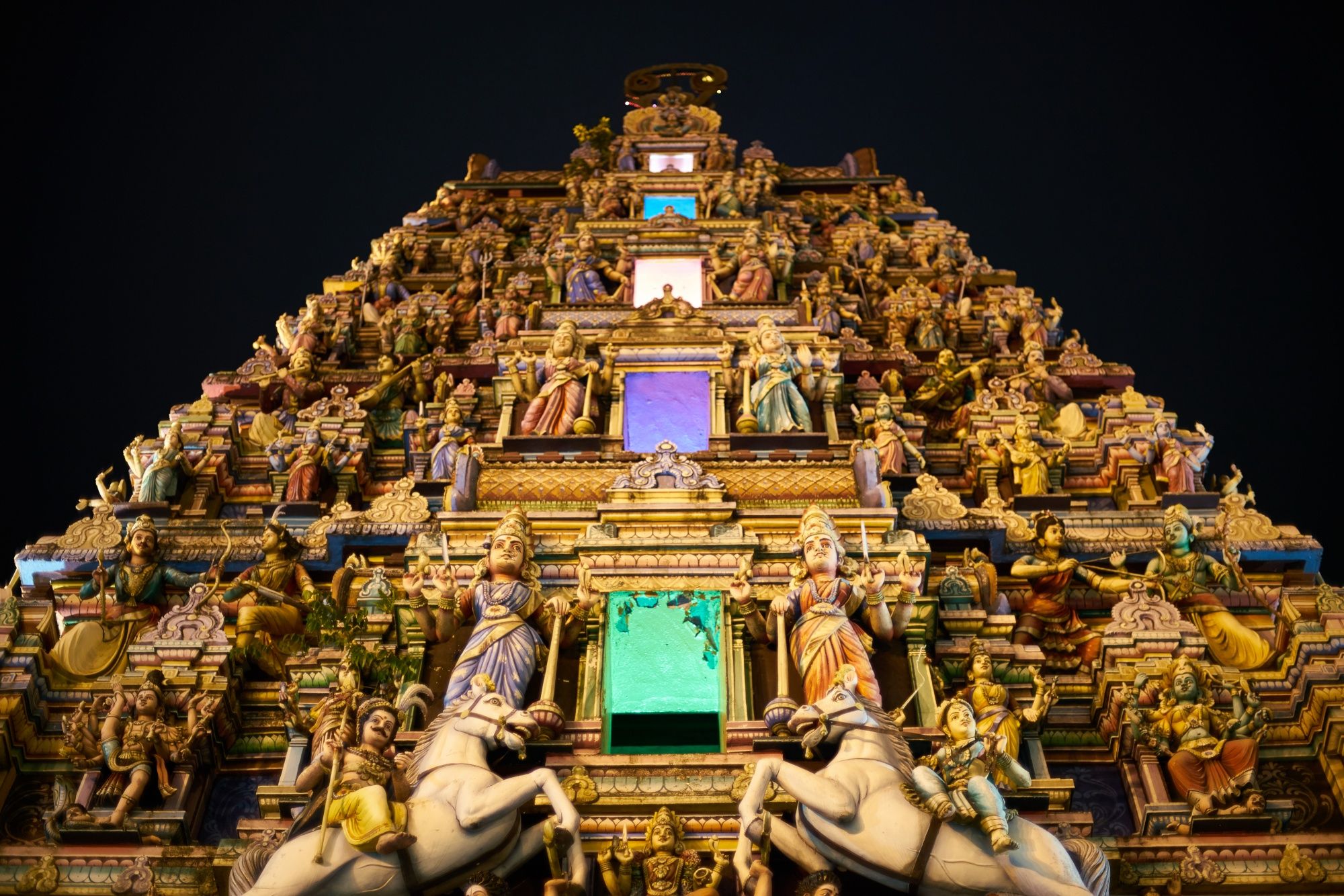
The temple has 14 gopurams (gateway towers), The Southern Gopuram is the tallest, standing about 52 metres (170 feet) high. Each tower is decorated with thousands of brightly painted sculptures depicting Hindu deities, saints, celestial beings, and scenes from the Puranas.
Sanctums:
The shrine of Goddess Meenakshi is located to the southwest and is the main focus of worship. The shrine of Lord Sundareswarar lies near the center of the complex. Both sanctums feature beautifully carved vimanas (tower structures above the sanctum).
Potramarai Kulam (Golden Lotus Tank):
This sacred temple tank is known as the Golden Lotus Tank. Devotees traditionally circumambulate or visit the tank before entering the inner shrines. According to tradition, no fish or aquatic life inhabit this sacred tank.
Ayiram Kaal Mandapam (Thousand Pillar Hall):
One of the temple's most famous architectural features. Contains 985 intricately carved stone pillars (traditionally known as the Thousand Pillar Hall). Each pillar showcases remarkable craftsmanship, with sculptures of deities, mythical creatures, and dancers. Today, part of the hall houses a museum displaying ancient sculptures, inscriptions, and temple artifacts.
Mandapams (Halls):
The temple contains several beautifully sculpted halls, including:
- Ashta Shakti Mandapam.
- Kilikoondu Mandapam (Parrot Cage Hall).
- Oonjal Mandapam (Swing Hall), where the divine couple is ceremonially placed on a swing on selected days.
- Vasantha Mandapam, used during important festivals.
Sculptures and Artwork:
The temple is adorned with over 30,000 colorful sculptures. The carvings depict stories from the Ramayana, Mahabharata, Shiva Purana, and other Hindu scriptures. The ceilings are decorated with vibrant paintings featuring floral motifs, zodiac symbols, and mythological scenes.
Architectural Significance:
The temple follows the traditional Dravidian style, emphasizing symmetry, monumental gateways, pillared halls, and sacred water bodies. The present architectural grandeur largely dates to the 16th–17th century Nayak period, when the temple was extensively expanded and embellished. The Meenakshi Amman Temple is not only a sacred place of worship but also one of India's greatest architectural and artistic achievements, attracting millions of devotees, historians, architects, and tourists from around the world.
Location
Madurai
Deity
Meenakshi
State
Tamil Nadu
District
Madurai
Dress Code
Visitors are expected to wear modest and traditional attire while visiting the temple.
Men
- Dhoti (Veshti) with or without a shirt.
- Full-length pants with a shirt or kurta.
- Pyjama with a shirt or kurta.
Women
- Saree
- Salwar Kameez / Churidar with dupatta.
- Pavadai–Davani (Half Saree).
Not Permitted
- Shorts or Bermudas.
- Sleeveless or revealing dresses.
- Tight leggings worn as the only lower garment.
- Torn or inappropriate clothing.
Devotee Guidelines:
- Wear clean, decent, and respectful clothing suitable for a place of worship.
- Traditional Indian attire is encouraged, especially during festivals and special poojas.
- Remove footwear before entering the temple premises.
Do's:
- Dress modestly in traditional or decent attire.
- Remove your footwear before entering the temple premises.
- Maintain silence and respect the sanctity of the temple.
- Follow the instructions of temple authorities and security personnel.
- Stand patiently in the darshan queue.
- Deposit mobile phones, cameras, and prohibited items in the designated counters if required.
- Keep the temple premises clean by using dustbins.
- Stay hydrated, especially if you climb the 693 steps to the hilltop shrine.
Don'ts:
- Do not wear revealing, torn, or inappropriate clothing.
- Do not consume alcohol, tobacco, or intoxicating substances before or inside the temple.
- Do not carry plastic bags or litter the temple premises.
- Do not take photographs or videos in prohibited areas, especially inside the sanctum (Garbhagriha).
- Do not jump queues or push other devotees.
- Do not touch the idols, temple structures, or decorations unless permitted.
- Do not bring pets into the temple premises.
- Do not engage in loud conversations or play music inside the temple.
- Do not accept prasadam or services from unauthorized persons.
By Road
Madurai is well connected by national and state highways. Government and private buses, taxis, and auto-rickshaws are readily available.
The temple is situated in the bustling center of Madurai and is easily accessible from all parts of the city. Parking facilities are available near the temple, though they can become crowded during weekends and festivals.
By Rail
Madurai Junction is a major railway station with excellent connectivity across India.
By Air
Madurai Airport has regular flights connecting Chennai, Bengaluru, Hyderabad, Mumbai, Delhi, and other major cities.
Upcoming Festivals
Temple Gallery
Temple Information
Temple Timings
Morning:
Afternoon:
Contact Number
Temple Website
Daily Schedule
Daily Pooja Timings
| Pooja | Time | Duration | Type |
|---|---|---|---|
| Vila Pooja | 6:30 am | 30 min | Morning |
| Thiruvanandal Pooja | 5:30 am | 30 min | Morning |
| Kalasanthi Pooja | 10:30 am | 45 min | Morning |
| Arthajama Pooja | 7:30 pm | 20 min | Night |
| Malai Pooja | 4:30 pm | 45 min | Evening |
| Palliyarai Pooja | 9:30 pm | 30 min | Night |
Visit the Temple
Find Meenakshi Temple
Temple Location
Meenakshi Temple
Madurai, Madurai
Tamil Nadu